About Uganda
Learn about the history, geography, people, and remarkable story of East Africa's most diverse and beautiful nation.
Plan Your Visit
A Brief History of Uganda
Uganda's history stretches back thousands of years. The Buganda Kingdom, established around the 14th century, became one of the most sophisticated political and cultural entities in the Great Lakes region of Africa.
Arab traders arrived in the 19th century, followed by British explorers. Uganda became a British Protectorate in 1894 and gained independence on 9 October 1962 — a date celebrated each year as Independence Day.
Despite challenges in the post-independence era, Uganda has emerged as a resilient nation, with a growing economy, a young population full of ambition, and natural resources that make it one of Africa's most promising destinations.
Uganda's Remarkable Landscape
Uganda spans 241,550 km² and sits along the East African Rift, giving it an extraordinary diversity of terrain from mountains to valleys and lakes.
Rwenzori Mountains
Snow-capped peaks reaching 5,109m, UNESCO World Heritage Site
Lake Victoria
Africa's largest lake, shared with Kenya and Tanzania
Bwindi Forest
Ancient impenetrable forest home to half the world's gorillas
The Nile
The world's longest river begins at Jinja on Lake Victoria's shores
Uganda's 56 Tribes
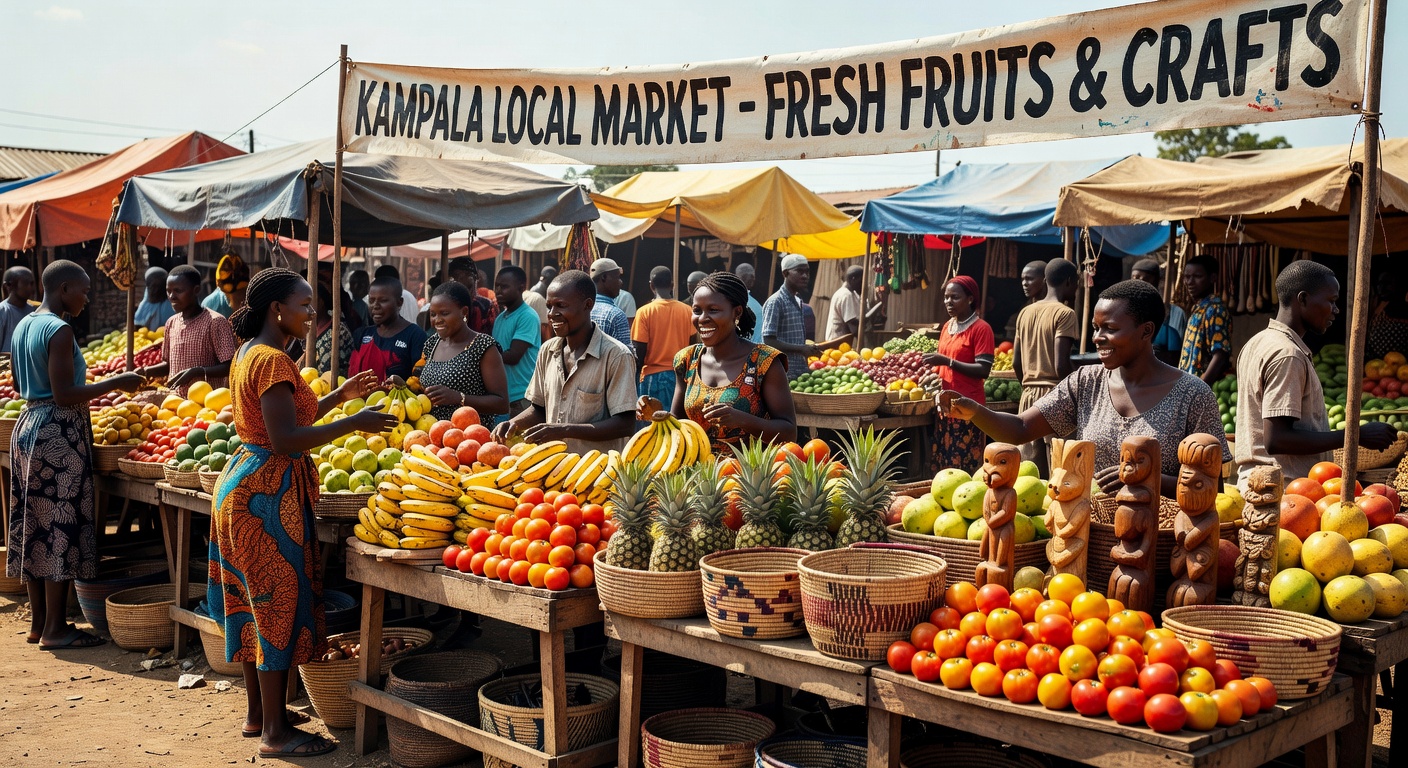
Uganda is home to over 56 officially recognised ethnic groups, each with its own language, traditions, and cultural practices. This rich diversity is one of the country's greatest assets.
Buganda
Largest group, central Uganda, Kampala region
Banyankole
South-west Uganda, pastoralist traditions
Basoga
Eastern Uganda, near the Nile source
Bakiga
Highland farmers of the south-west
Iteso
Eastern plains, cattle-keeping community
Acholi
Northern Uganda, vibrant dance tradition